Healthcare Interior Design | Enhancing Patient Comfort and Wellness
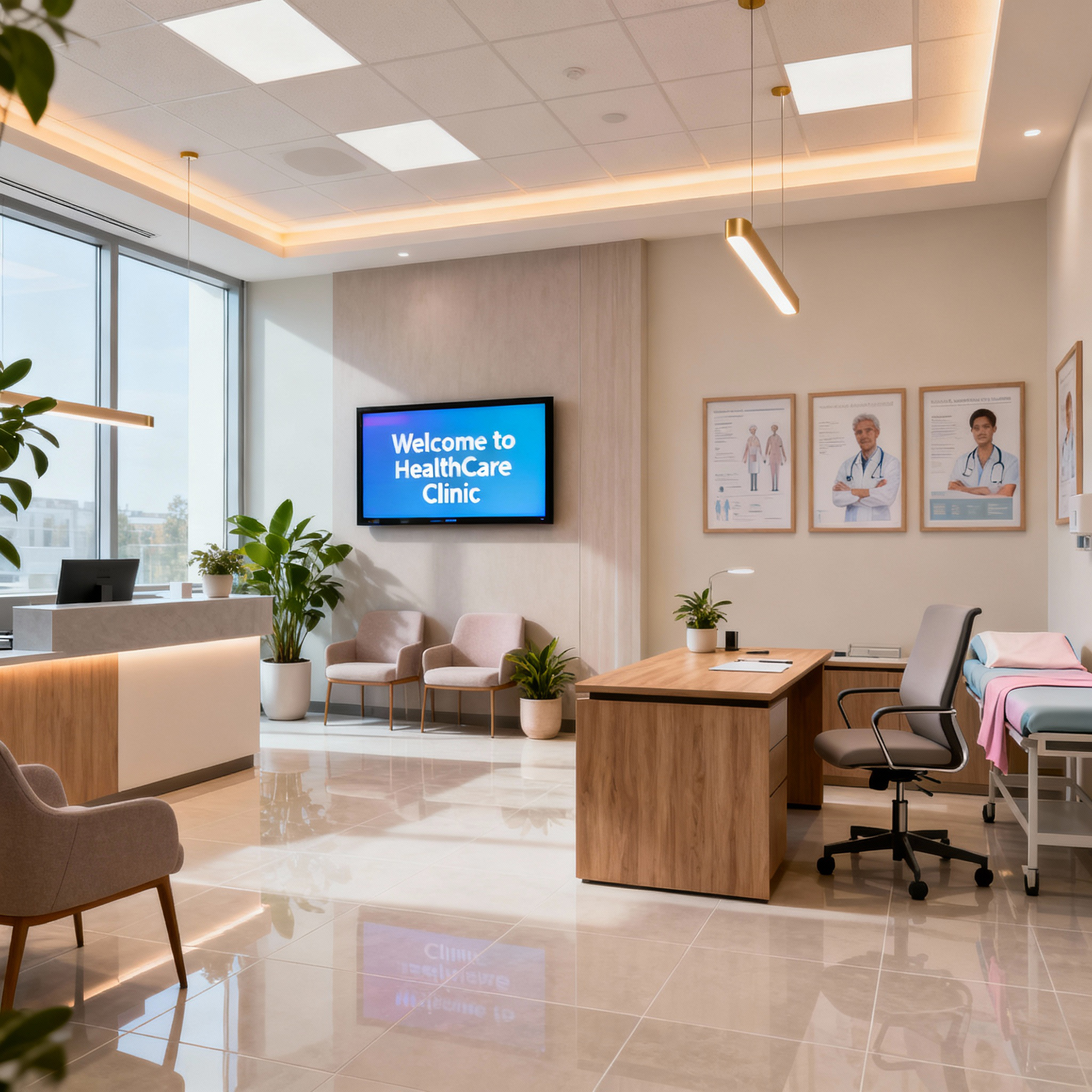
Healthcare interior design plays a vital role in shaping the overall experience of patients, doctors, and visitors. A well-planned healthcare environment can reduce stress, improve efficiency, support healing, and build trust—making it a silent yet powerful part of patient care.
🏥 Why Healthcare Design Matters
Hospitals, clinics, and diagnostic centers are no longer just functional spaces. Modern healthcare design focuses on patient-centered care, blending safety, hygiene, comfort, and emotional well-being. From reception to recovery rooms, every space influences healing.
Thoughtful Space Planning
Planning impacts workflow and efficiency. Key strategies include:
- Logical zoning of treatment, waiting, and administrative areas
- Direct circulation paths to minimize confusion
- Emergency-ready access planning
- Separate clean and contamination zones for hygiene control
Patient-Friendly Waiting Areas
Waiting areas shape first impressions. Comfortable seating, natural light, soft colors, and clear wayfinding signage help reduce anxiety. Adding digital displays for health awareness and greenery can create a calming environment 🌿.
Healing Through Colors & Materials
Colors influence mood:
- Blue & green for calmness
- Beige & white for hygiene and clarity
- Surfaces must be easy to clean, antibacterial, and durable. Vinyl flooring, high-pressure laminates, and washable paints are commonly preferred in healthcare interiors.
Lighting for Wellness
Natural daylight improves mood and recovery, while artificial lighting must avoid glare. Use:
- Ambient lighting for general comfort
- Task lighting for treatment rooms
- Night lighting in patient rooms for safety
Privacy & Acoustics Matter
Patient privacy builds trust. Use acoustic panels, sound-absorbing partitions, and privacy curtains to minimize noise and maintain confidentiality.
Infection Control Design
Every design choice must support hygiene:
- Touchless doors and faucets
- Smooth corners to avoid dust accumulation
- Medical-grade ventilation
- Dedicated waste management areas
Conclusion
Healthcare interior design combines function with compassion. It creates spaces that heal, comfort, and reassure. With the right design approach—focused on safety, hygiene, lighting, and emotional well-being—healthcare environments can significantly improve patient satisfaction and clinical outcomes.