Hotel Interior Design | Creating Memorable Hospitality Experiences
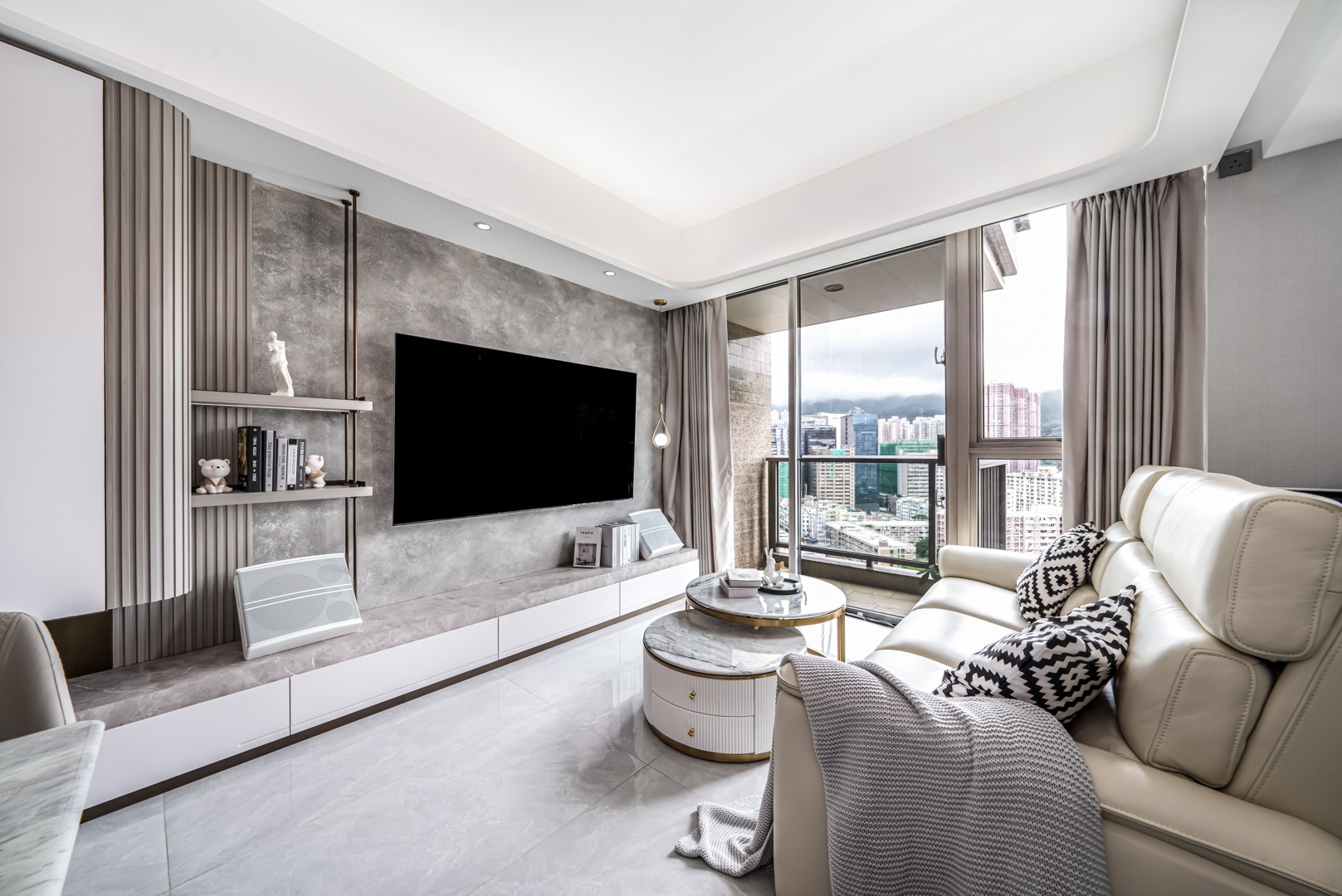
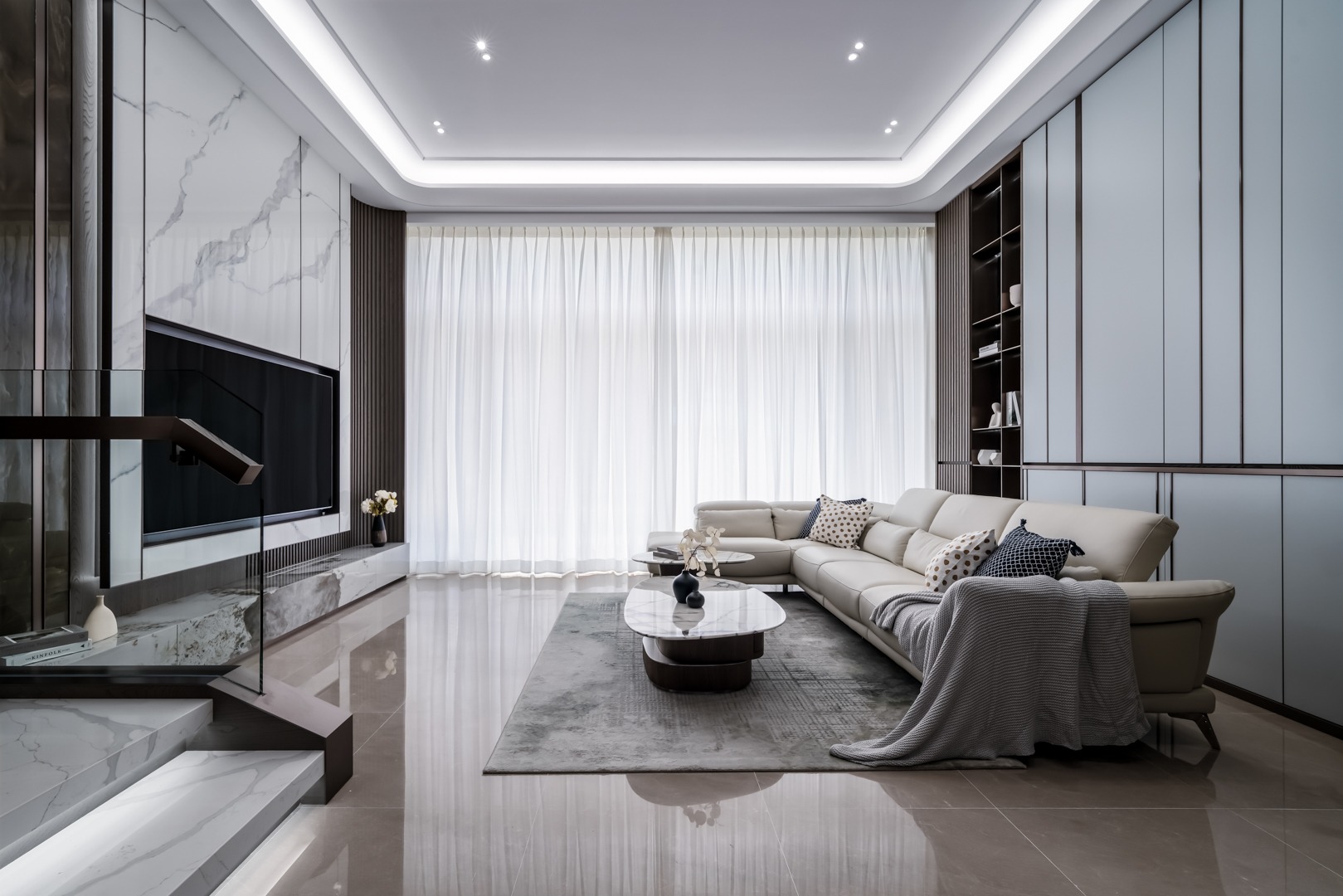
Hotel interior design is more than just luxury décor—it is about crafting unforgettable guest experiences. A well-designed hotel influences mood, promotes comfort, enhances brand identity, and encourages repeat bookings. From grand lobbies to cozy rooms, every detail tells a story.
✨ First Impressions Start in the Lobby
The hotel lobby sets the tone for the entire stay. It should feel welcoming and visually impressive. Use:
- Statement lighting fixtures
- Signature artwork or sculpture
- Warm color palettes
- Comfortable lounge seating
- The lobby should reflect the hotel’s brand personality—luxury, boutique, business, or resort style.
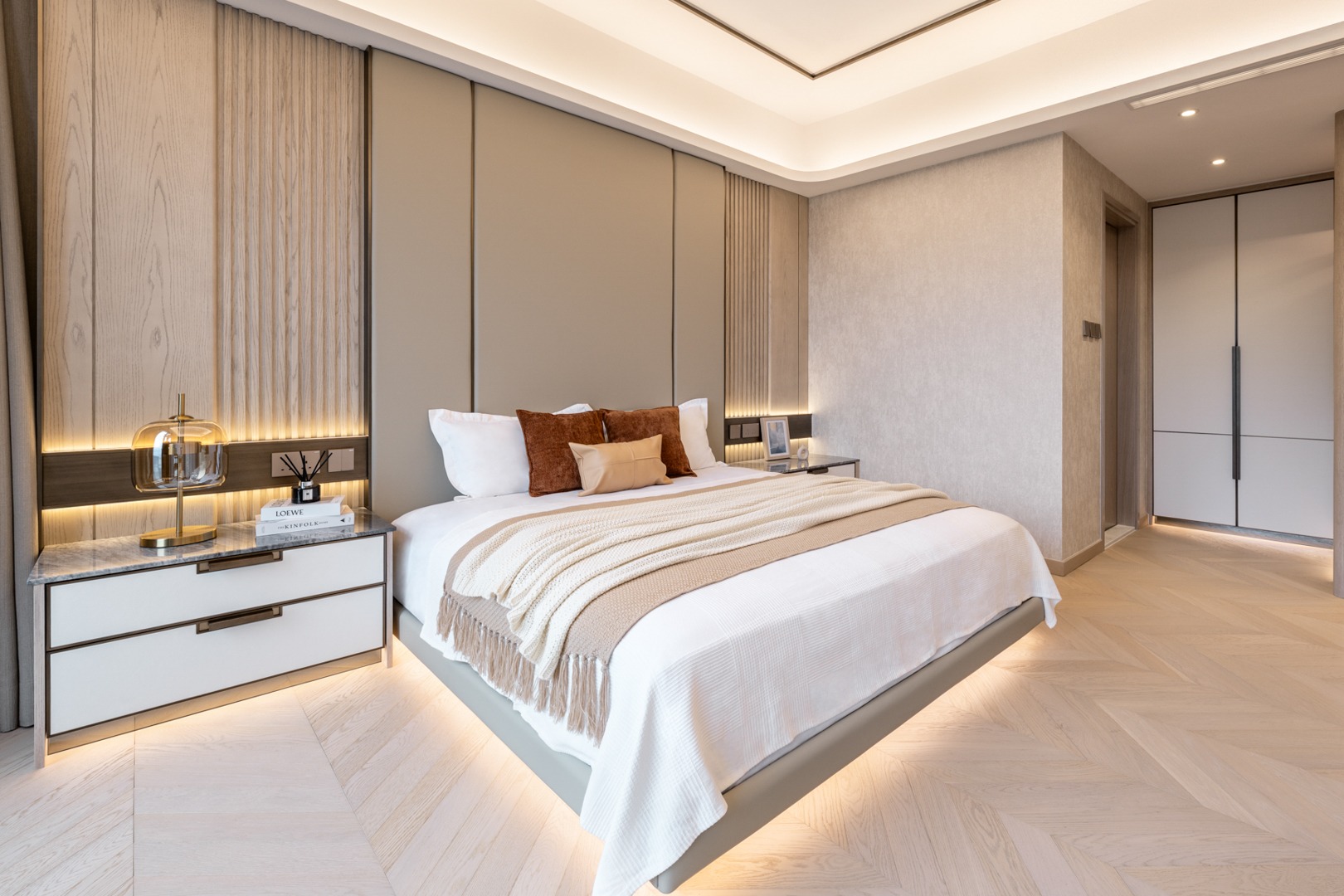
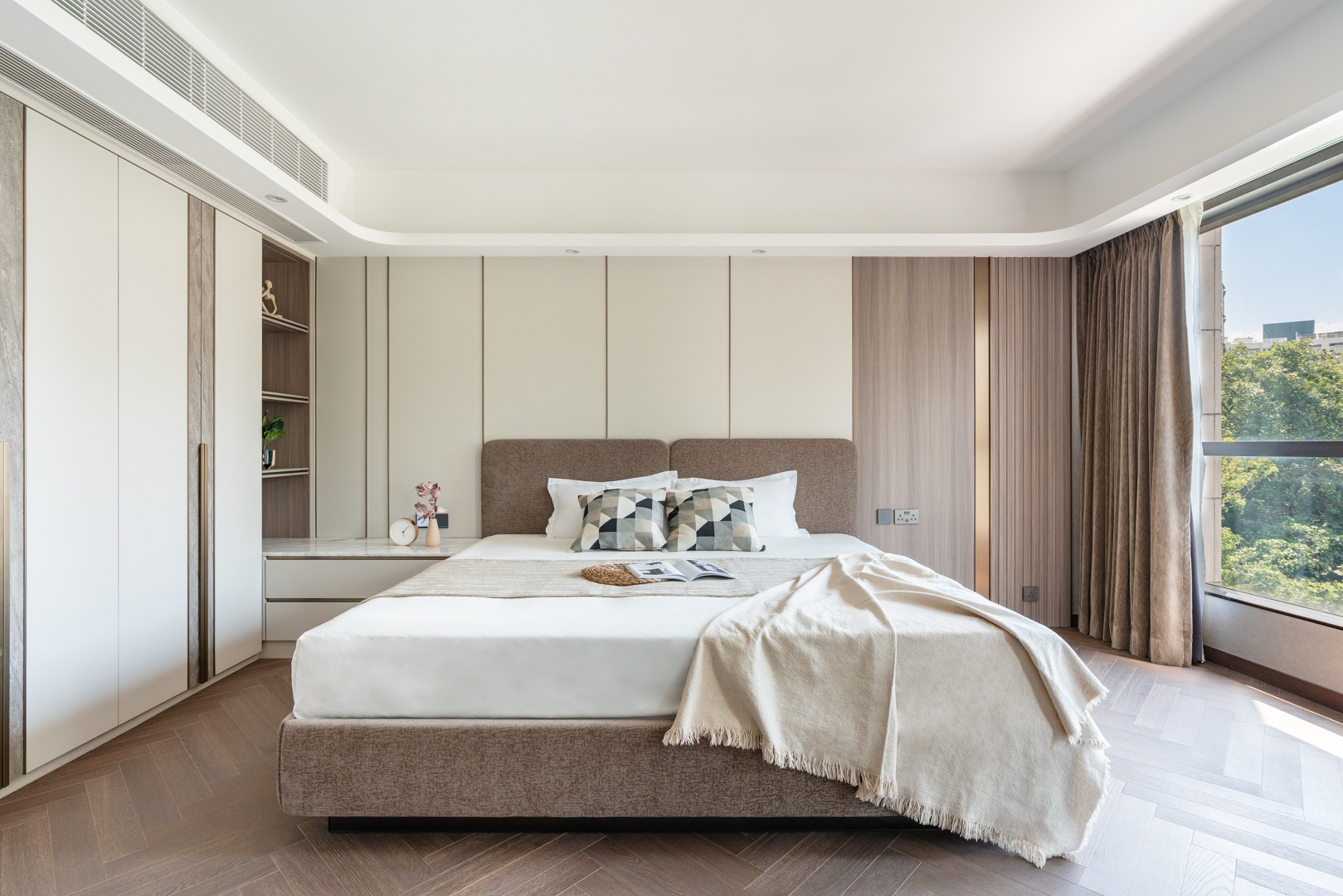
Guest Room Design That Feels Like Home
Comfort and privacy are the heart of guest room design. Key elements include:
- Ergonomic furniture and soft bedding
- Ambient and task lighting for relaxation and reading
- Soundproof walls for peaceful rest
- Smart storage to avoid clutter
- 🛏️ A soothing design with high-quality linens creates a premium guest experience.
Lighting That Builds Atmosphere
Lighting defines ambiance. Use:
- Warm bedside lighting for relaxation
- Accent lighting for décor highlights
- Natural lighting wherever possible
- Layered lighting enhances comfort and adds depth to the interiors.
Design with Functionality
Hotel interiors must support ease of movement and service efficiency. Carefully planned layouts allow housekeeping and staff to maintain spaces effortlessly, ensuring operational success behind the scenes.
Interior Themes That Inspire
Successful hotels often use unique design themes:
- Minimal modern for business hotels
- Rustic natural for resorts
- Classic luxury with marble and gold
- Consistent theme execution builds brand identity and strengthens guest recall.
Materials & Finishes
Hotels experience high footfall, so materials must be durable yet luxurious:
- Engineered wood or marble flooring
- Upholstery with stain-resistant fabrics
- Designer wallpapers or textured panels
- Easy maintenance = long-term value.
Conclusion
Hotel interior design should balance elegance, comfort, and functionality. Thoughtfully planned spaces leave lasting impressions and influence guest satisfaction. From the entrance to the room, every space must reflect hospitality, emotion, and sophistication—turning every stay into a memorable experience.