Modern vs. Contemporary Design: What’s the Difference?

When it comes to interior design, the terms “modern” and “contemporary” are often used interchangeably, but they are not the same. While both styles share clean lines and a love for simplicity, they differ in origin, design elements, and overall approach. Understanding these differences will help you choose the perfect style for your home.
What is Modern Design?
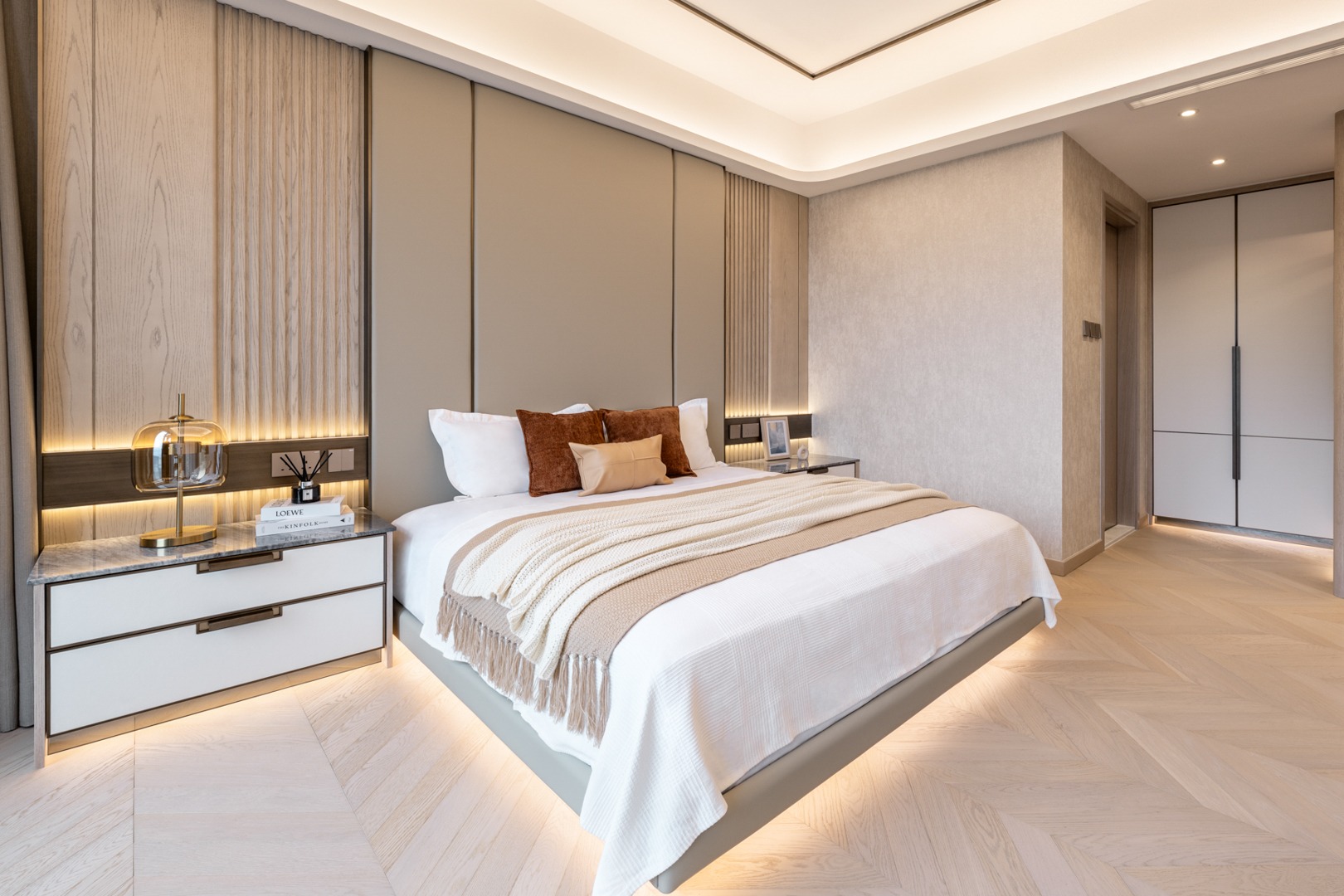
Modern design refers to a specific design movement that emerged in the early to mid-20th century. It is rooted in minimalism, functionality, and a focus on natural materials. Modern interiors often emphasize a warm and natural look with simple yet elegant furniture pieces.
Key Features of Modern Design
- Clean Lines: Simple and unadorned lines with minimal decorative elements.
- Natural Materials: Wood, leather, and natural fibers are commonly used.
- Neutral Colors: Earthy tones, warm neutrals, and muted shades dominate.
- Functional Furniture: Practical designs that prioritize usability.
- Open Layouts: Spaces designed for flow and functionality.
What is Contemporary Design?
Contemporary design, on the other hand, refers to the style of the present moment. It constantly evolves, incorporating current trends, technology, and innovations. Unlike modern design, contemporary interiors are more fluid and flexible, adapting to the latest styles.
Key Features of Contemporary Design
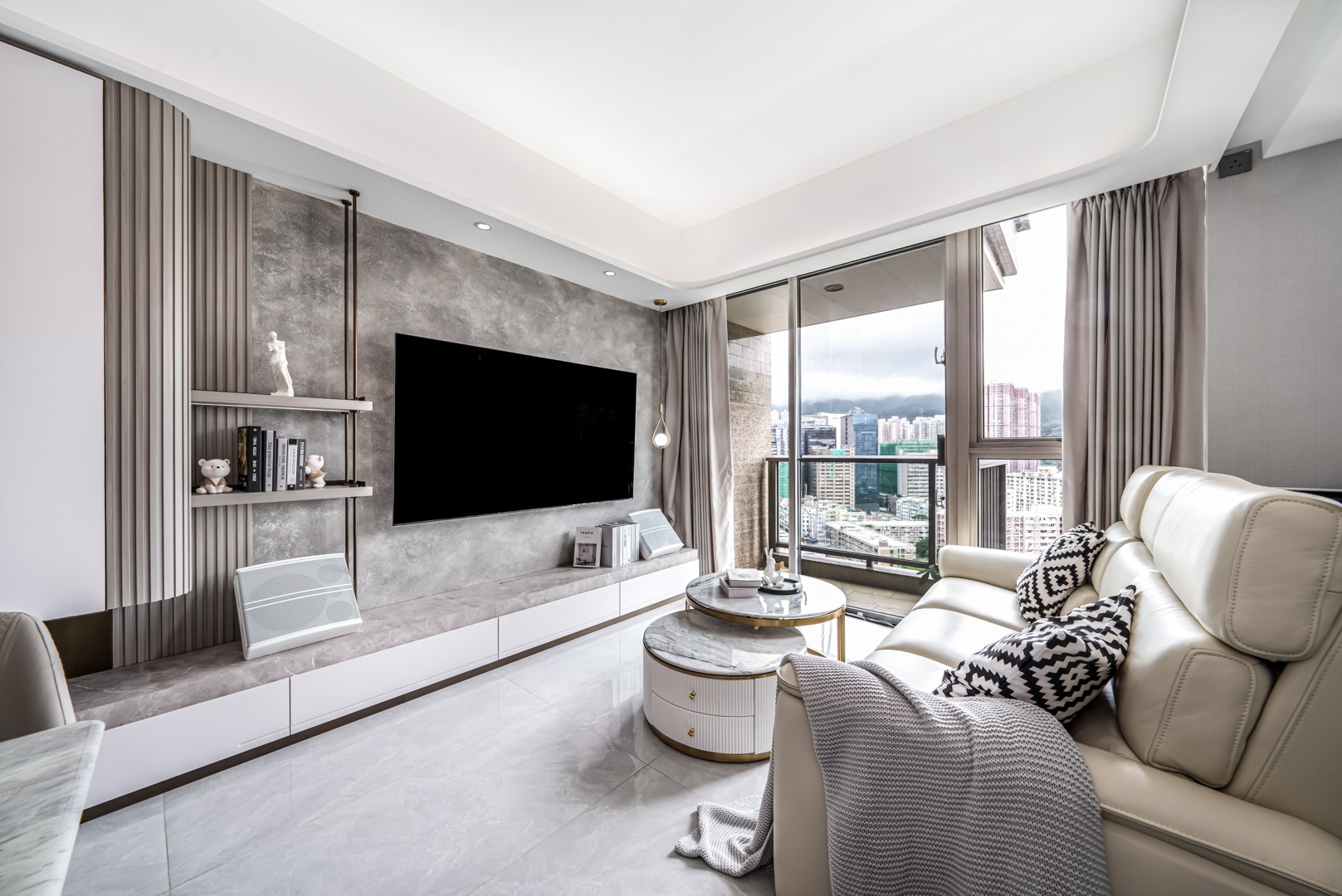
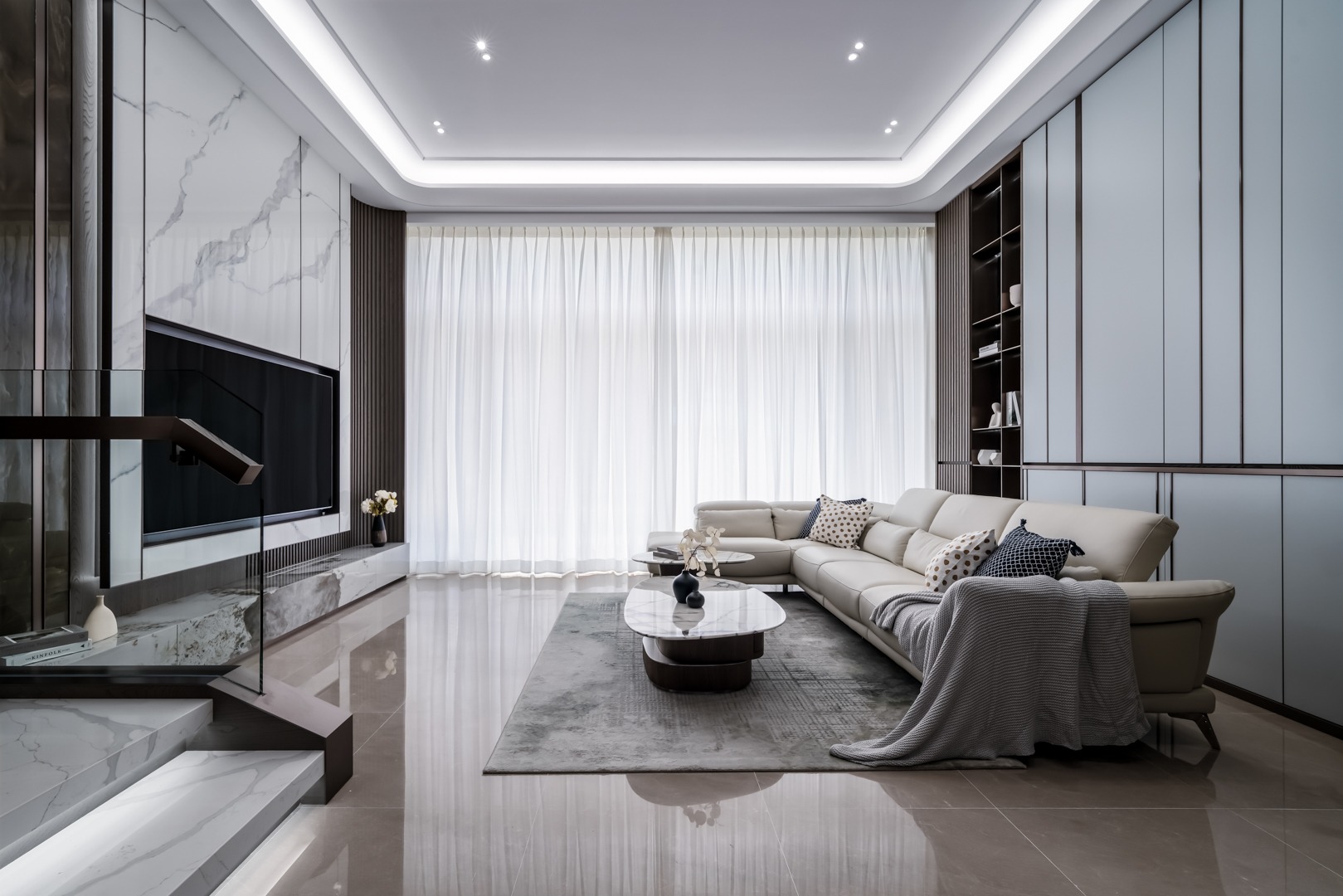
- Curved Lines: Unlike the straight lines of modern design, contemporary spaces embrace curves and soft edges.
- Bold Colors: Neutrals with bold accent colors like black, navy, or vibrant hues.
- Mixed Materials: A blend of metal, glass, and natural materials for a stylish look.
- Technology Integration: Smart home features and sleek, modern gadgets.
- Trend-Driven: Adapts to current design trends, making it ever-changing.
Modern vs. Contemporary: The Key Differences
AspectModern DesignContemporary DesignTime PeriodOriginated in the early 1900s; fixed styleCurrent style; ever-evolvingLines & ShapesStraight, clean linesCurved and soft linesColor PaletteWarm neutrals and earthy tonesNeutral base with bold accentsMaterialsWood, natural fabricsGlass, metal, mixed textures Which Style Should You Choose?
If you prefer a timeless look with a warm, natural feel, modern design is perfect for you. If you like to stay trendy and embrace the latest design ideas, contemporary design is the way to go. Some homeowners even mix both styles for a unique, personalized look.
Final Thoughts
Modern and contemporary designs may look similar at first glance, but their differences lie in history, structure, and adaptability. Choose the one that best fits your personality and lifestyle—or blend them for the best of both worlds!