Restaurant Interior Design | Crafting Dining Spaces That Delight Customers
A great restaurant isn’t just about food—it’s about the complete dining experience. Interior design plays a powerful role in shaping customer mood, increasing table turnover, and enhancing brand identity. Whether it’s a fine-dine space or a casual café, the right design can transform a restaurant into a memorable destination.
🍽️ The Role of Restaurant Interior Design
Interior design sets the tone before the first bite is served. It influences how long customers stay, what they order, and how they feel. A successful restaurant design balances comfort, aesthetics, and functionality while supporting smooth operations.
Define a Strong Concept and Theme
Your restaurant design must reflect your cuisine and story. Popular concepts include:
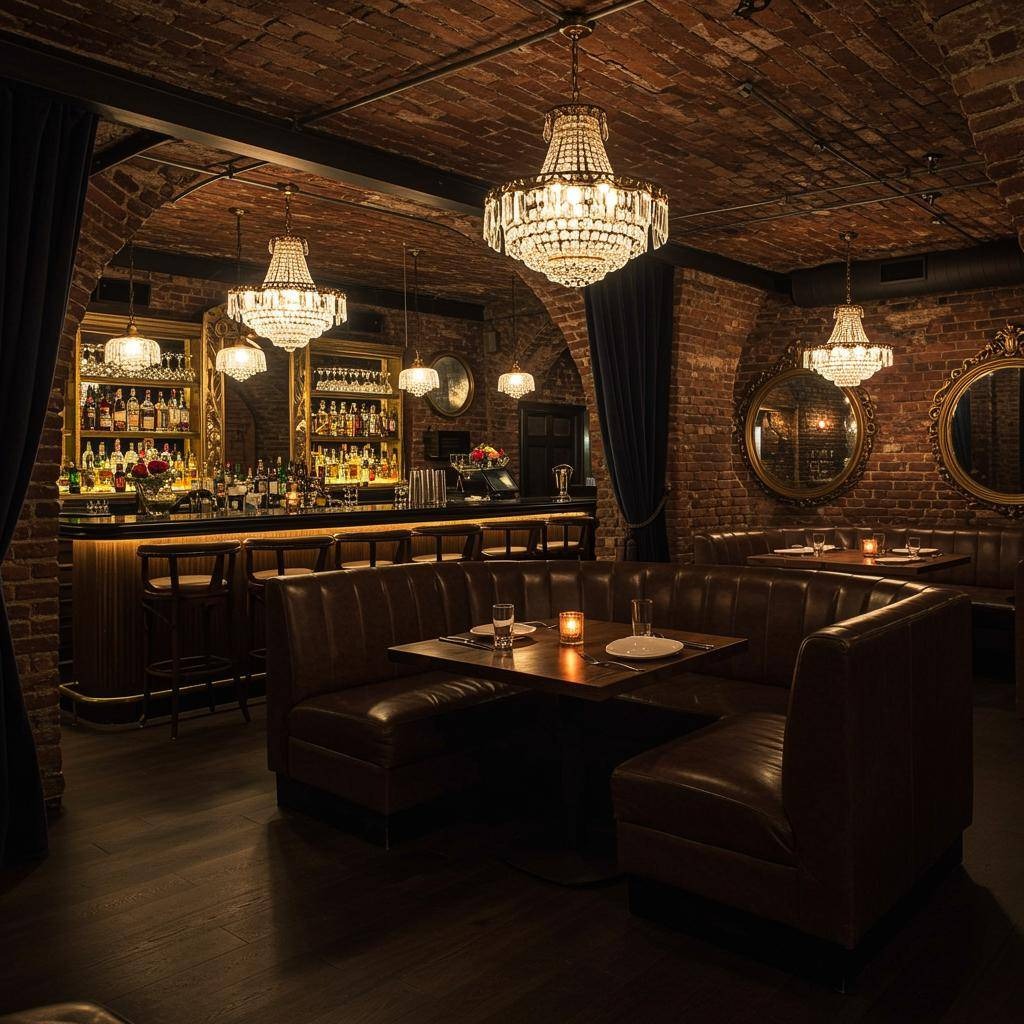
- Rustic Industrial – raw brick walls, metal lights
- Modern Minimalist – clean lines, neutral palette
- Vintage Classic – wooden décor, warm tones
- Ethnic Traditional – cultural patterns and textures
- A consistent theme builds brand recall and emotional connection.
Smart Space Planning
Space utilization ensures comfort and smooth flow. Key layout principles:
- Clear circulation paths for staff and guests
- Well-spaced seating to maintain privacy
- Dedicated zones for groups, couples, and families
- Accessible entry and exits
- Avoid overcrowding—comfort increases repeat visits.
Lighting That Enhances Ambience
Lighting sets the dining mood:
- Warm lighting for cozy dinners
- Accent lights to highlight décor
- Task lighting for kitchen and service areas
- 💡 Dimmers help control ambiance from day to night.
Furniture and Material Selection
Choose furniture that suits your theme and is easy to maintain. Use:
- Stain-resistant upholstery
- Durable tabletops like HPL, granite, or wood
- Comfortable seating height (18 inches from floor)
- Good ergonomics keep customers seated longer—boosting sales per table.
Color Psychology in Restaurants
Colors influence appetite:
- Red & yellow stimulate hunger
- Green signals freshness
- Black & gold give a premium feel
- Pastels suit café themes
- Select a palette that enhances your brand and dining experience 🎨.
Acoustic Comfort
Restaurants get noisy quickly. Improve acoustics using:
- Fabric panels
- Upholstered seating
- Acoustic ceiling boards
- A quieter environment creates a relaxed dining experience.
Functional Service Areas
Design must support staff efficiency:
- Easy access between kitchen and dining
- Hidden storage for cutlery and supplies
- Clearly placed POS stations
- Great design improves service speed and customer satisfaction.
Conclusion
Restaurant interior design blends creativity with strategy. From layout to lighting, every element affects how customers feel and behave. When designed well, your restaurant becomes more than a place to eat—it becomes an experience customers love to return to. Good design isn’t a luxury; it’s a smart investment for restaurant success.