Retail Store Interior Design | Maximizing Customer Engagement and Sales
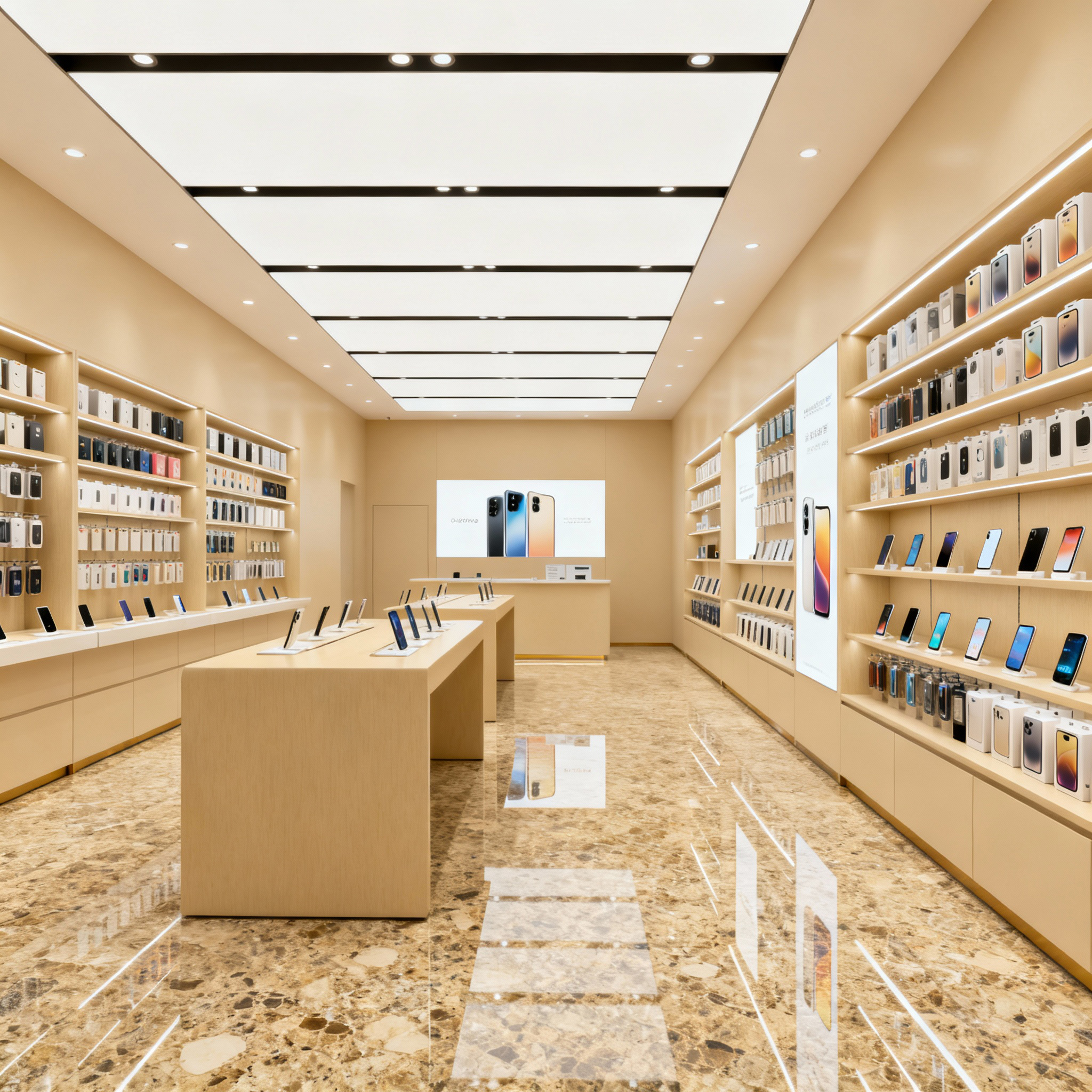
Creating an effective retail store interior design isn’t just about aesthetics—it’s a powerful sales tool. When done strategically, store design influences buyer behaviour, improves customer experience, and increases conversions. Let’s explore how retail design can maximise engagement and boost revenue.
🛠️ Understanding the Purpose of Retail Design
A well-designed retail space guides customers naturally through your store and encourages them to make purchases. It reflects your brand personality, impacts dwell time, and builds emotional connection.
💡 Key Elements of High-Impact Retail Design
H2 – Smart Store Layout
Store layout determines how customers move. Popular layouts include:
- Grid Layout – Best for supermarkets and pharmacies
- Loop Layout – Keeps customers moving in a circular path
- Free-flow Layout – Ideal for boutiques and premium brands
🚶 Place new arrivals or high-margin products near the entrance to attract attention.
Strategic Product Display
Use eye-level shelving for best sellers—“Eye level is buy level.”
Highlight products with:
- The rule of three (grouping items in threes)
- Cross-merchandising (pairing related products)
- End caps for promotional items
Lighting That Sells
Lighting sets the mood and directs focus.
- Ambient lighting for overall visibility
- Accent lighting to promote premium products
- Task lighting for billing and trial zones
✨ Warm lighting increases browsing time, boosting sales potential.
Visual Merchandising & Signage
Use clear signage to guide customers across categories.
Add storytelling displays that explain product benefits.
Minimal but bold signage prevents shoppers from feeling lost.
Customer Experience Zones
Create spaces that make shopping enjoyable:
- Trial areas for fashion or electronics
- Touch-and-feel counters for hands-on engagement
- Waiting lounge near billing to reduce perceived wait times
Colour Psychology in Retail
Colours influence buying behaviour:
- Red encourages impulse buys
- Blue builds trust
- Black & gold create a premium feel
Choose a palette that matches your brand identity.
Optimising Traffic Flow
Avoid clutter. Maintain 900mm aisle width for comfortable movement. Place billing counters at the rear to increase store exploration.
Sensory Design – Engage All 5 Senses
Successful stores use music, scent, materials, visuals, and even product samples to create an emotional connection. A mild signature store fragrance builds memory and loyalty.
Conclusion
Retail store interior design is more than decoration—it is psychology-driven selling. When layout, lighting, display, and visual strategy work together, they create a shopping journey that feels effortless and enjoyable. With smart interior planning, any retail brand can convert casual visitors into loyal customers and boost sales consistently.