Sustainable and Eco-Friendly Interior Design Tips
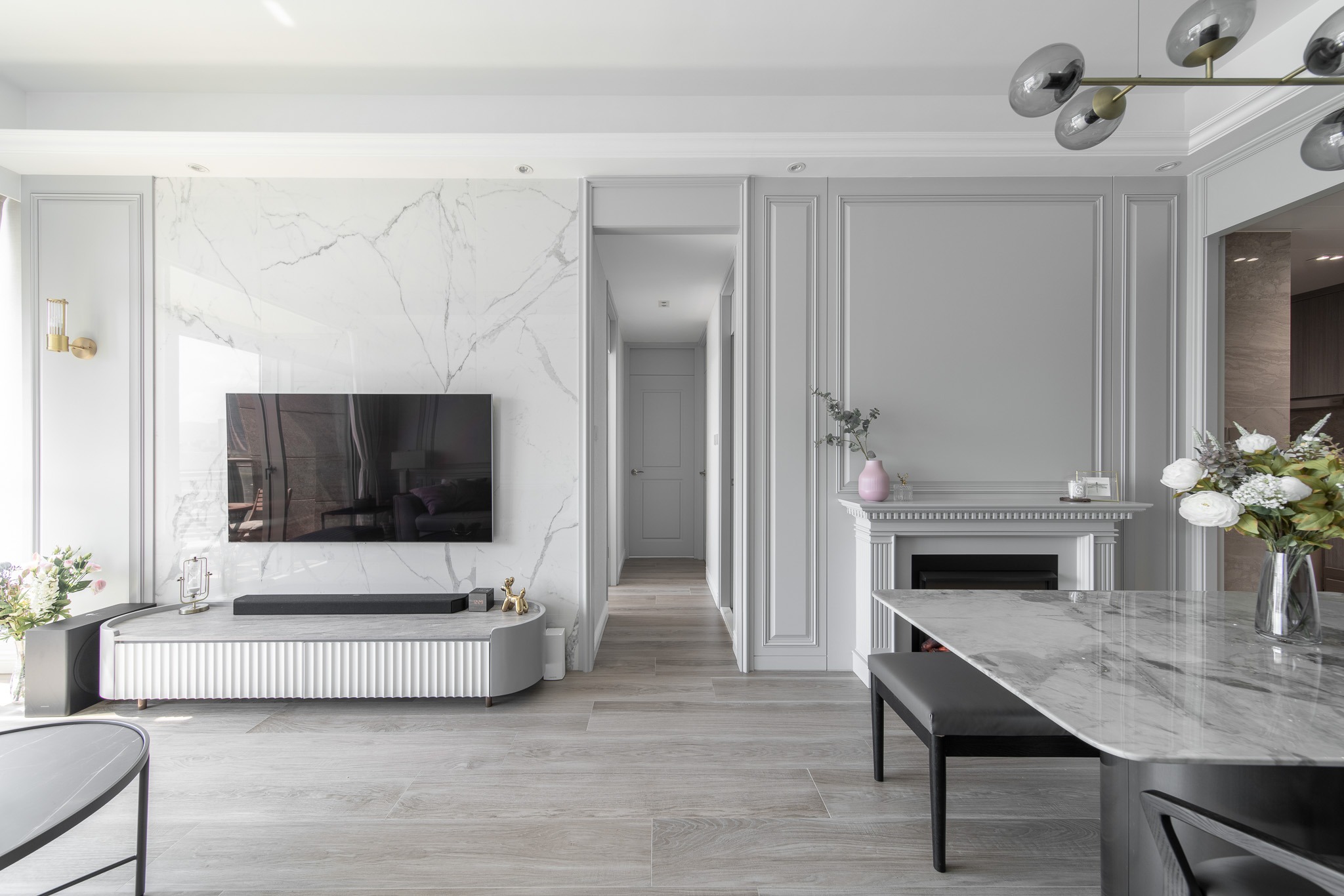
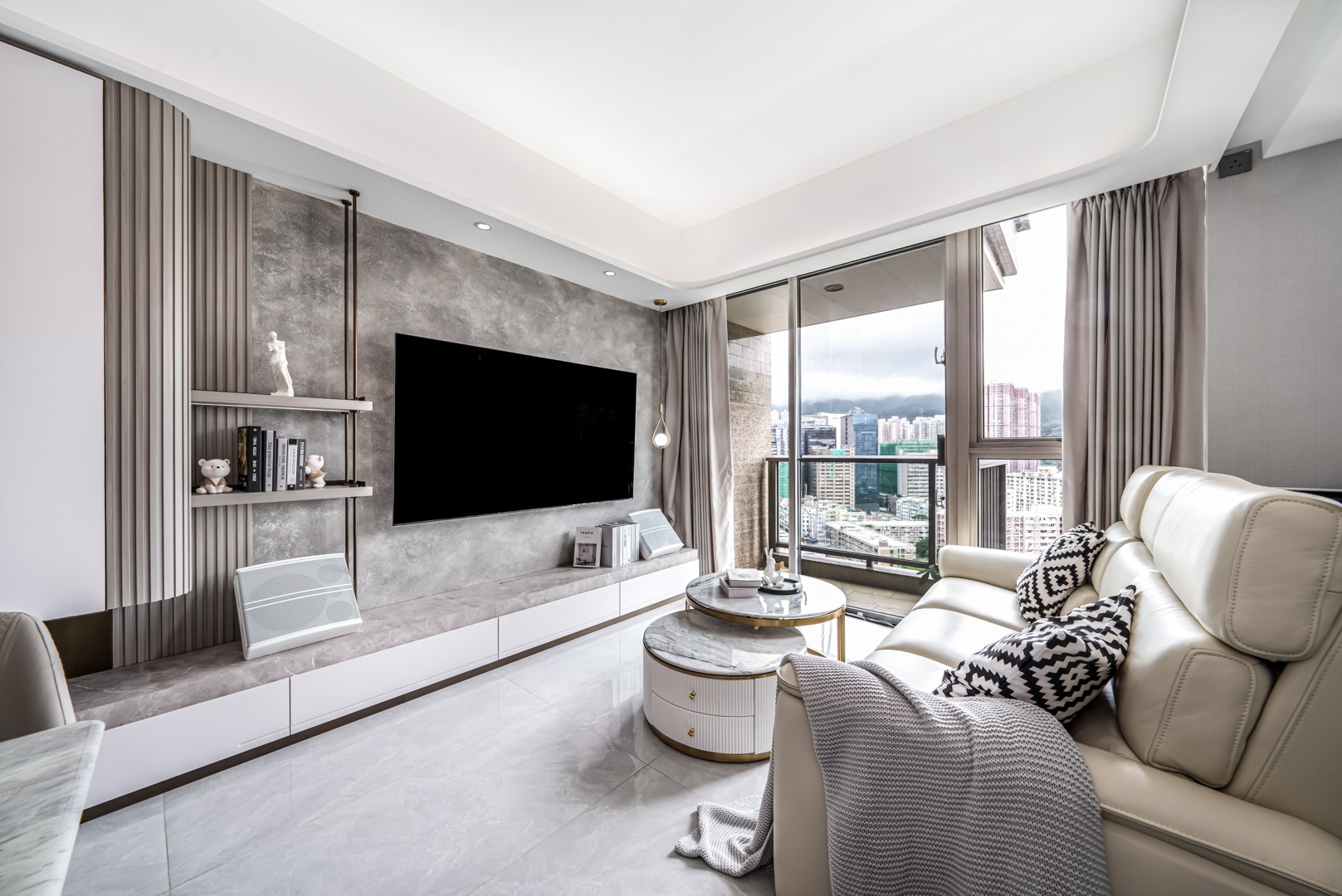
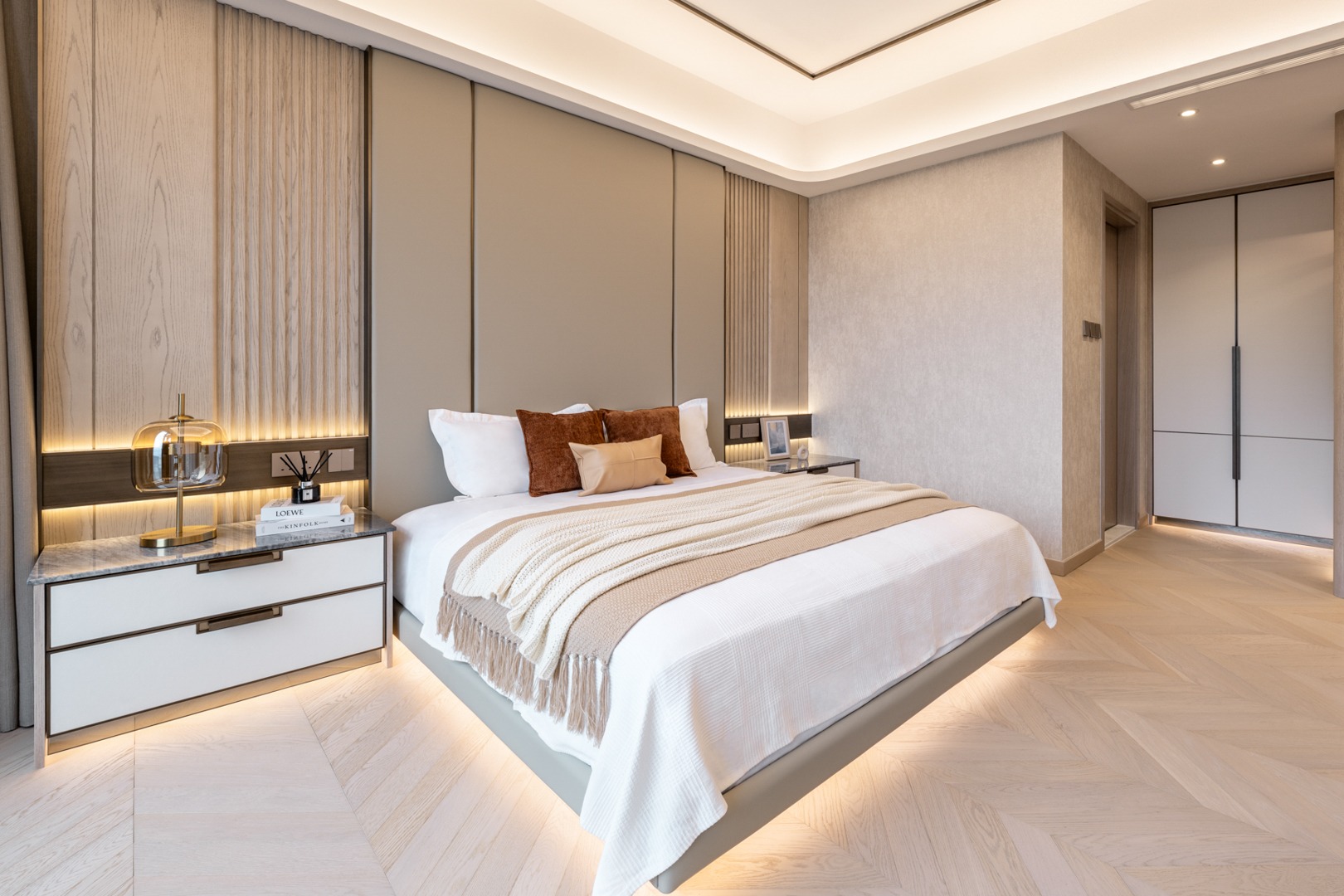
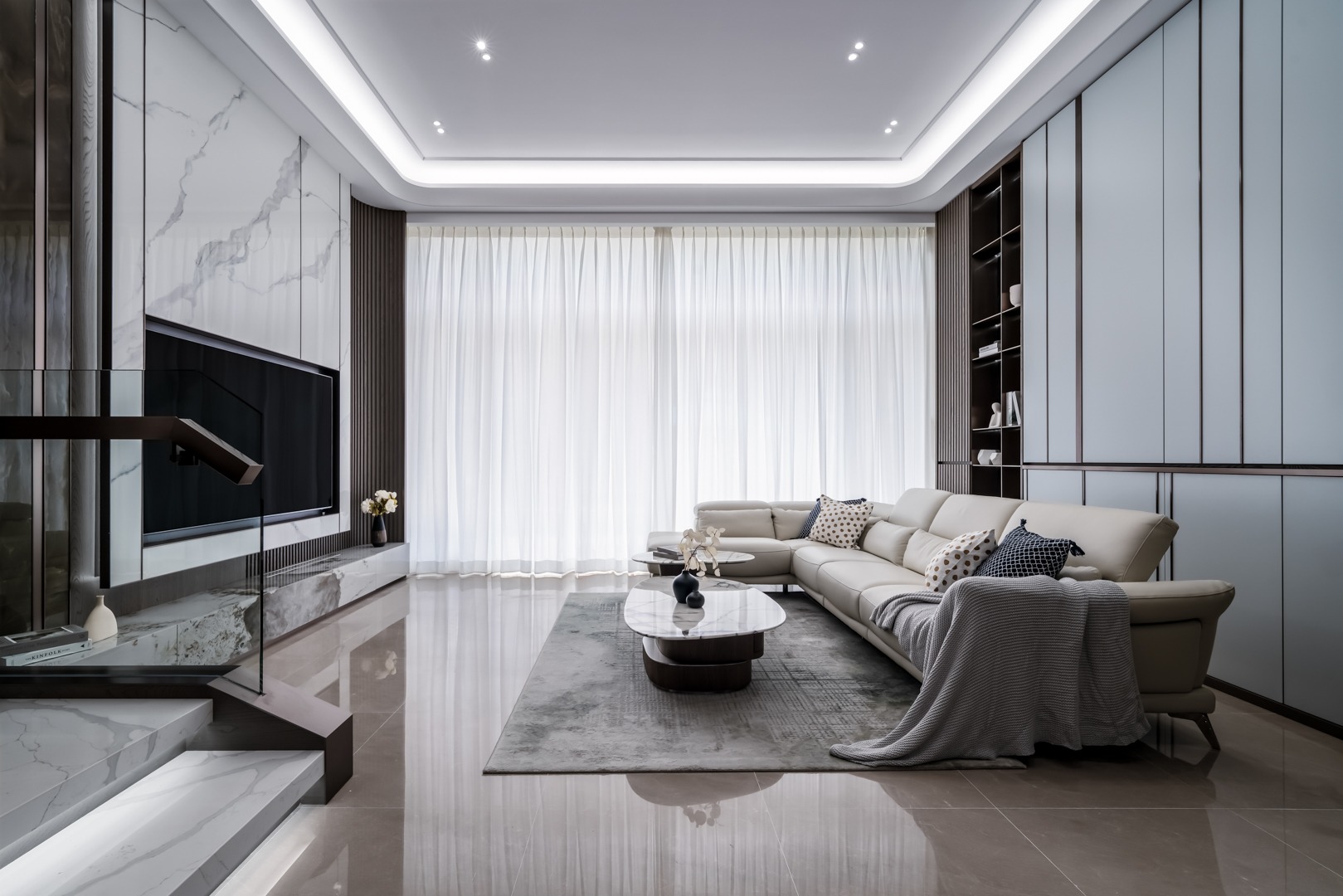
Sustainable interior design is more than just a trend—it’s a lifestyle choice that benefits both the environment and your well-being. By making conscious decisions in your home design, you can reduce waste, save energy, and create a healthy living space. Here are some practical tips for eco-friendly interiors.
1. Choose Sustainable Materials
Opt for materials like bamboo, reclaimed wood, cork, or recycled metal. These are renewable and have a lower environmental impact compared to synthetic alternatives.
2. Use Low-VOC Paints
Volatile Organic Compounds (VOCs) in traditional paints release harmful chemicals into the air. Choose low-VOC or VOC-free paints to improve indoor air quality and reduce toxicity.
3. Invest in Energy-Efficient Lighting
Switch to LED or CFL bulbs—they use up to 80% less energy than traditional incandescent bulbs. Pair them with dimmers and smart lighting systems for maximum efficiency.
4. Go for Natural Fabrics
Select upholstery and curtains made from organic cotton, hemp, jute, or linen. These materials are biodegradable and free from harmful chemicals.
5. Incorporate Indoor Plants
Plants not only add beauty but also purify indoor air by absorbing toxins. Popular choices include snake plants, peace lilies, and pothos for low-maintenance greenery.
6. Reuse and Upcycle Furniture
Instead of buying new furniture, consider refurbishing old pieces or purchasing second-hand items. Upcycling gives a unique character to your home while reducing waste.
7. Maximize Natural Light
Large windows, sheer curtains, and mirrors can help bring in natural sunlight, reducing your dependency on artificial lighting and lowering energy bills.
8. Choose Water-Saving Fixtures
Install low-flow faucets, showerheads, and dual-flush toilets to conserve water without compromising on functionality.
9. Use Solar Energy
If possible, incorporate solar panels to power your home. Even a small installation can significantly reduce your reliance on non-renewable energy sources.
10. Buy Local and Ethical Products
Support local artisans and brands that use sustainable practices. Locally sourced products reduce carbon footprint and promote ethical craftsmanship.
Conclusion
Sustainable interior design is about making mindful choices that benefit your home, your health, and the planet. Start small and gradually transition to eco-friendly practices for a long-term positive impact.