The Art of Mixing Modern and Traditional Styles
Blending modern and traditional design styles is an art that creates a timeless and balanced home interior. Modern design emphasizes clean lines, minimalism, and sleek finishes, while traditional interiors bring warmth, character, and classic detailing. When done right, this fusion delivers a space that feels elegant, functional, and uniquely personal. In this guide, we’ll explore practical tips to master the art of combining these two contrasting styles seamlessly.
🎨 Why Mix Modern and Traditional Styles?
Mixing design styles gives your home character and prevents it from looking overly sterile or dated. Modern design ensures functionality and simplicity, while traditional elements add comfort and charm. This combination appeals to homeowners who want the best of both worlds—freshness with a touch of history.
Key Principles of Combining Modern and Traditional Elements 🏠
1. Start with a Neutral Foundation
Neutral walls act as a canvas for both modern and classic pieces. Shades like white, beige, and soft gray work well to balance contrasting styles and keep the overall look cohesive.
2. Choose a Dominant Style 🎯
To avoid visual chaos, decide whether modern or traditional will be the primary style. If modern dominates, use sleek furniture and introduce traditional elements like ornate mirrors or vintage rugs as accents.
3. Mix Materials and Finishes
The contrast of materials creates visual interest. Pair sleek glass or metal furniture with warm wooden pieces. For example, a modern marble coffee table can complement a carved wooden chair beautifully.
4. Incorporate Statement Furniture 🛋️
Choose one bold traditional piece, like a vintage armchair, and pair it with modern sofas or minimalist shelving units. This creates a focal point without overwhelming the space.
5. Play with Patterns and Textures
Traditional styles often feature rich patterns, while modern designs lean toward solids. Use textured fabrics like velvet cushions, patterned rugs, or classic drapery alongside contemporary plain upholstery for a balanced look.
6. Use Art to Connect the Two Styles 🎨
Artwork can act as a bridge between modern and traditional elements. A modern abstract painting above a vintage console table creates harmony between eras.
7. Focus on Lighting
Lighting can make or break the fusion. Pair sleek, modern pendant lights with classic chandeliers, or use vintage-inspired lamps on contemporary side tables for a curated feel.
8. Balance Proportions and Scale 📐
Large traditional furniture in a minimalist modern space can look out of place. Ensure proportions match—mixing a heavy wooden dining table with light, modern chairs creates balance without overpowering the room.
Tips for a Cohesive Modern-Traditional Look ✅
- Stick to a consistent color palette to tie both styles together.
- Limit ornate detailing to a few key pieces for sophistication.
- Combine contemporary flooring with classic area rugs for warmth.
- Accessorize thoughtfully—choose pieces that complement both styles.
Examples of Modern-Traditional Blends ✨
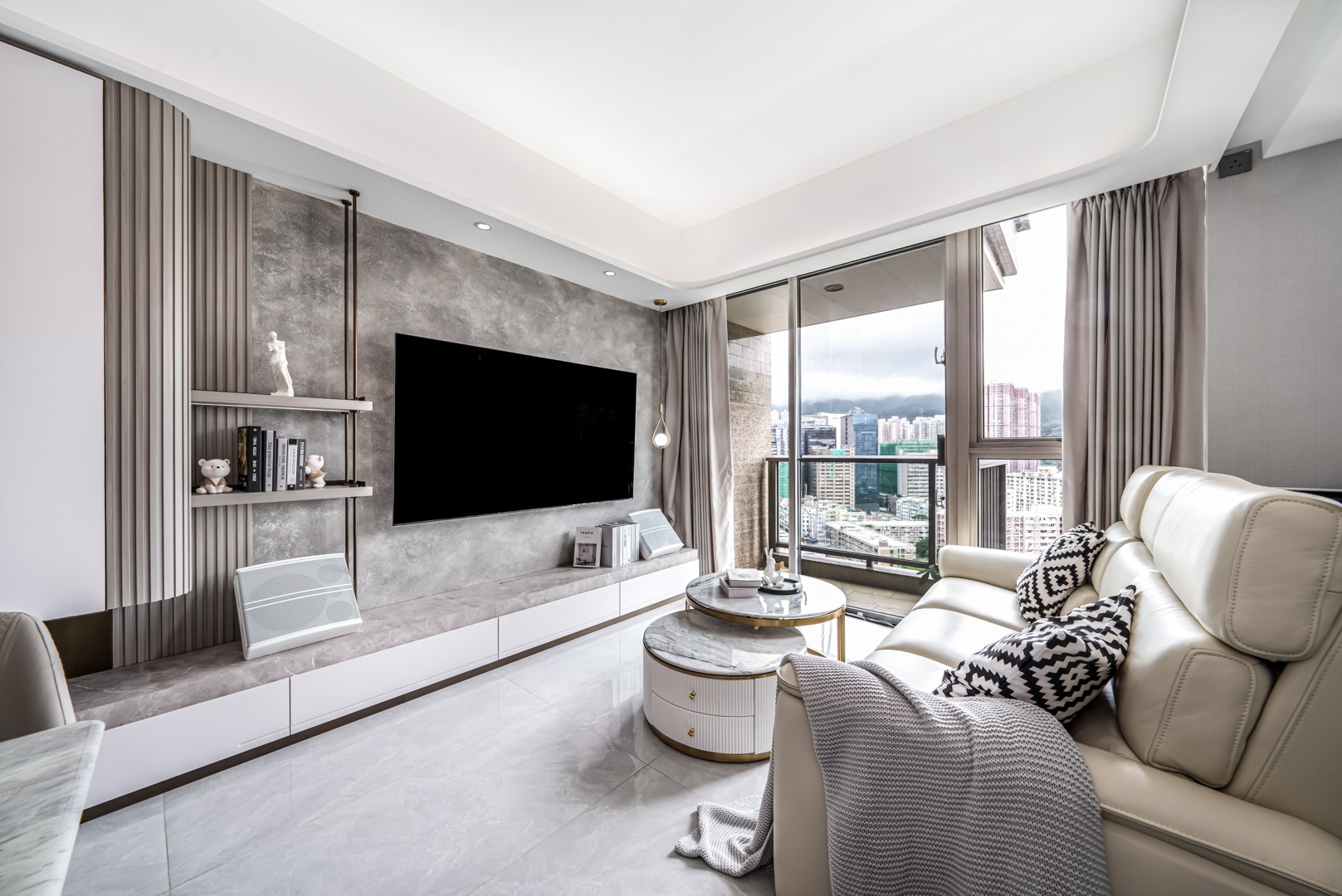
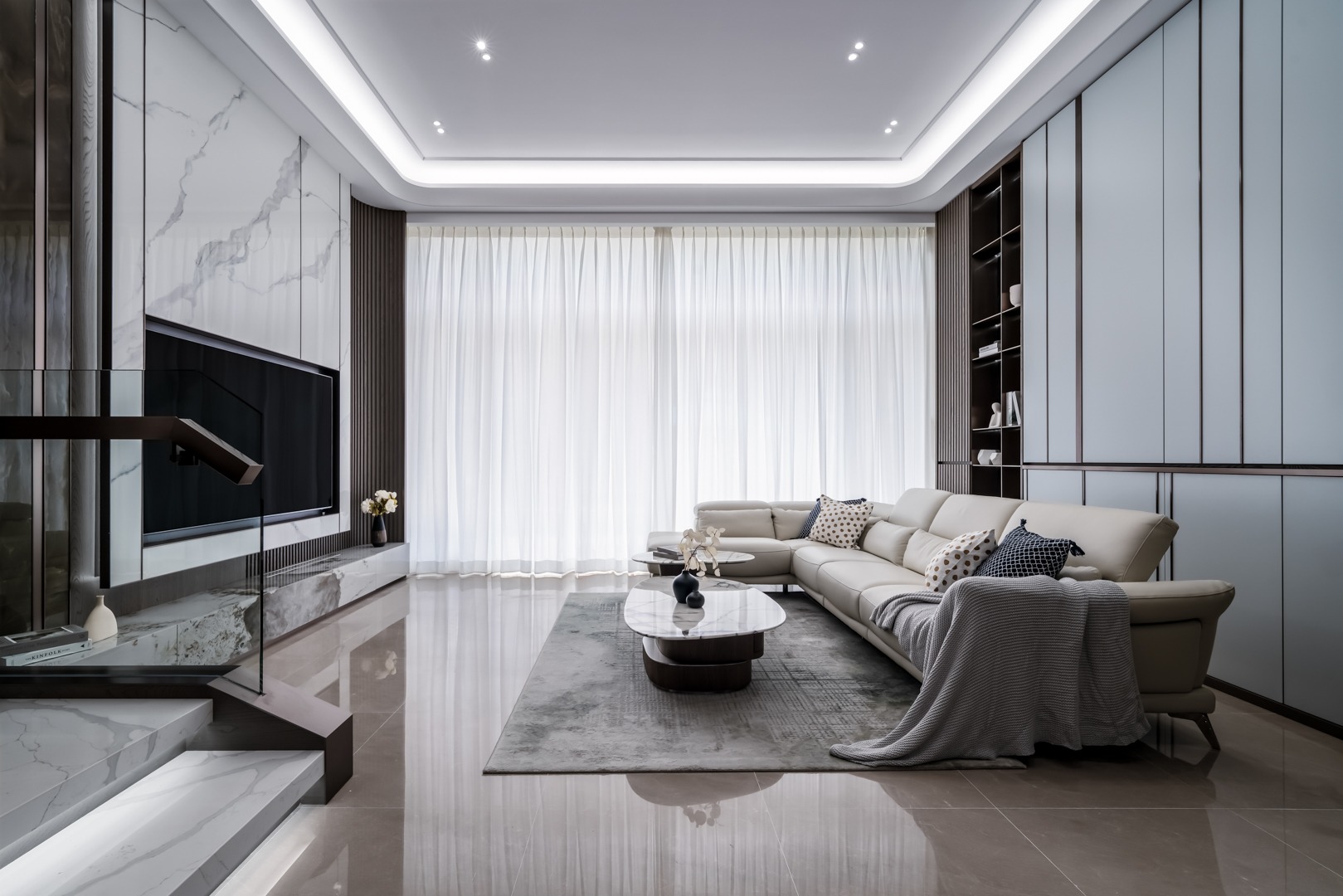
- Living Room: A clean-lined sofa with a vintage Persian rug and sleek metal lighting.
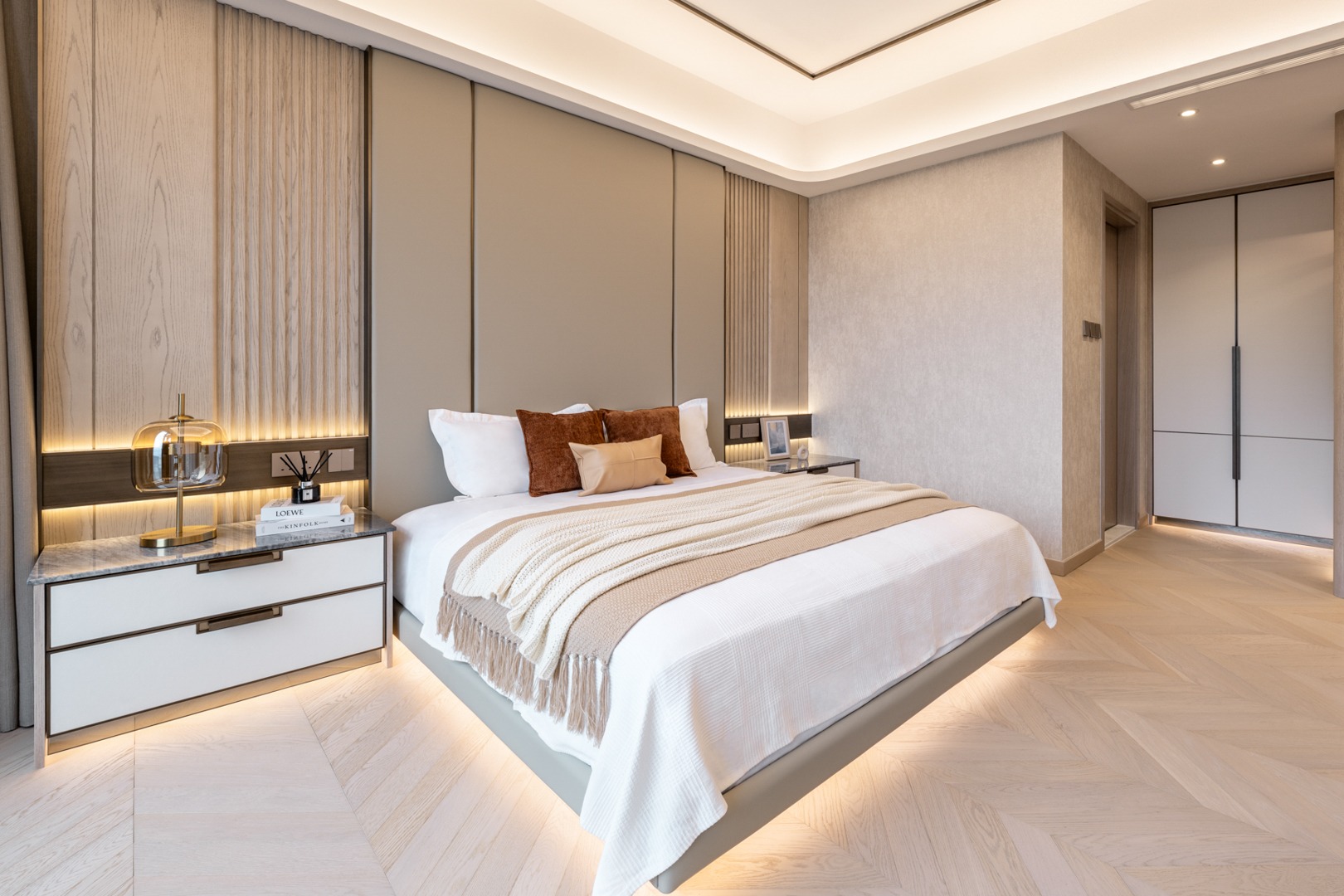
- Bedroom: A tufted traditional headboard paired with modern side tables and minimal decor.
- Dining Area: A classic wooden dining table surrounded by modern upholstered chairs.
✨ Conclusion:
Mixing modern and traditional design styles is about finding the right balance. By blending sleek, contemporary elements with timeless classics, you can create a home that feels stylish, inviting, and unique. Start with a neutral base, add statement pieces, and let contrasting details complement rather than compete with each other.