The Importance of Lighting in Interior Design
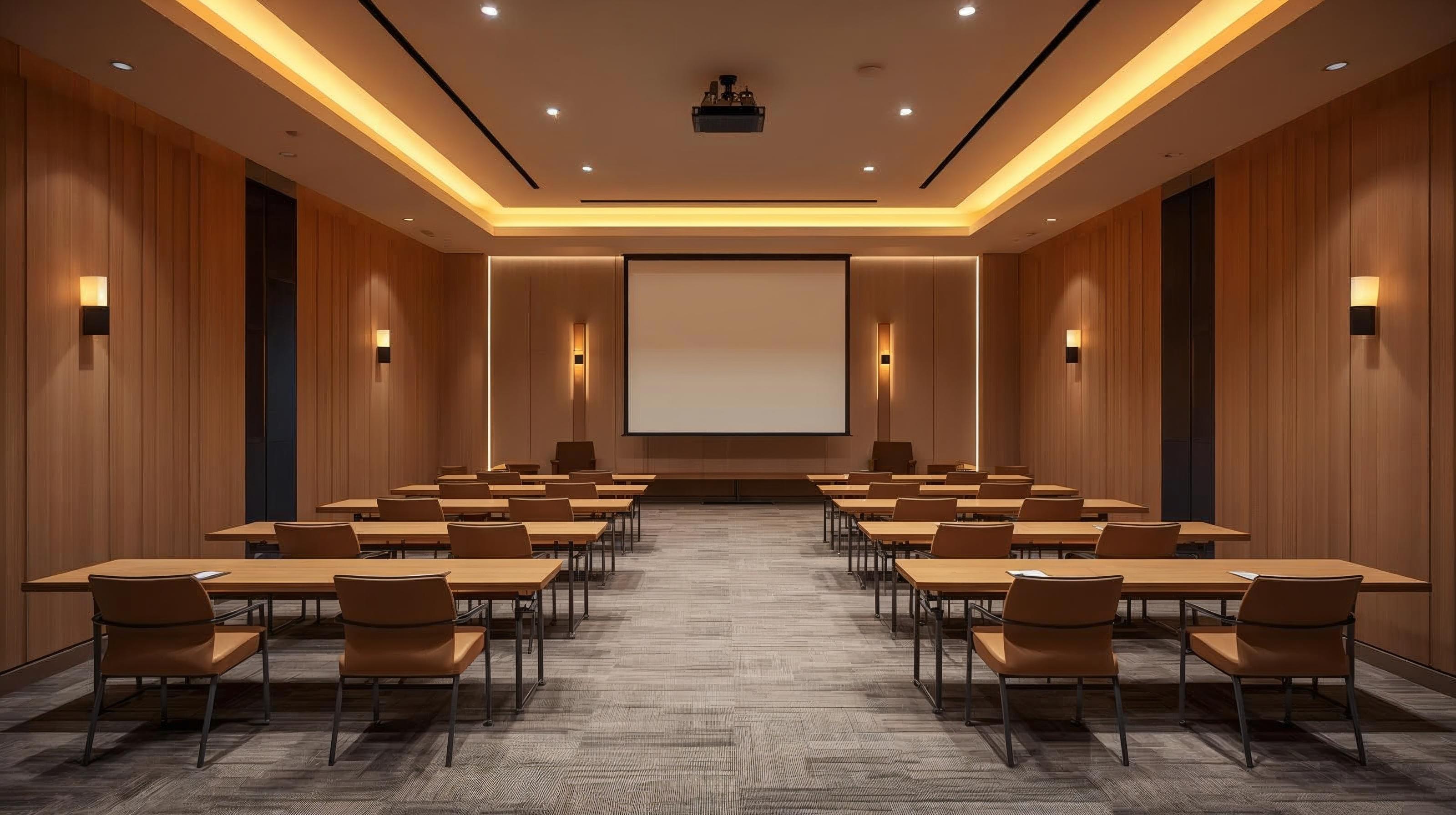
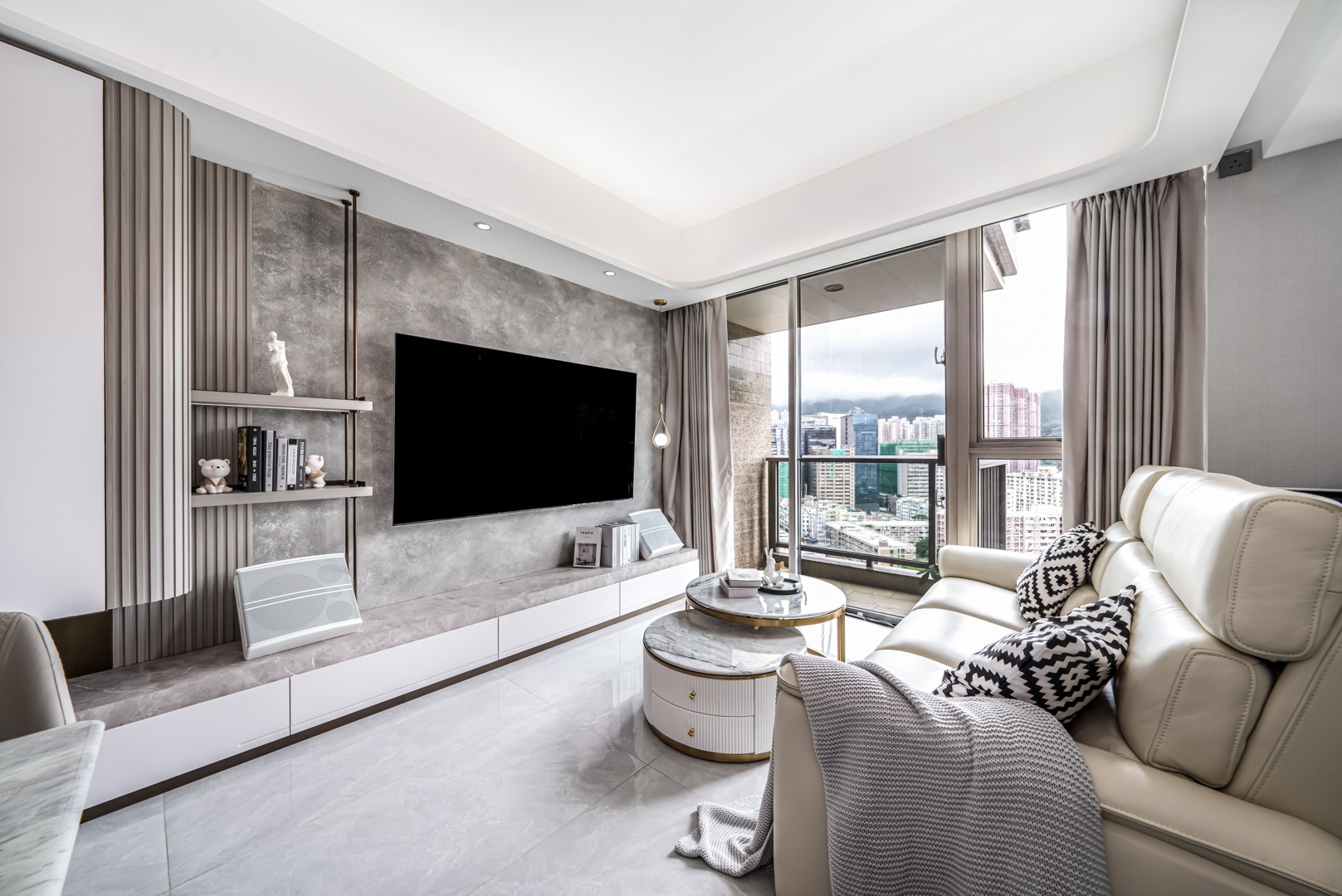
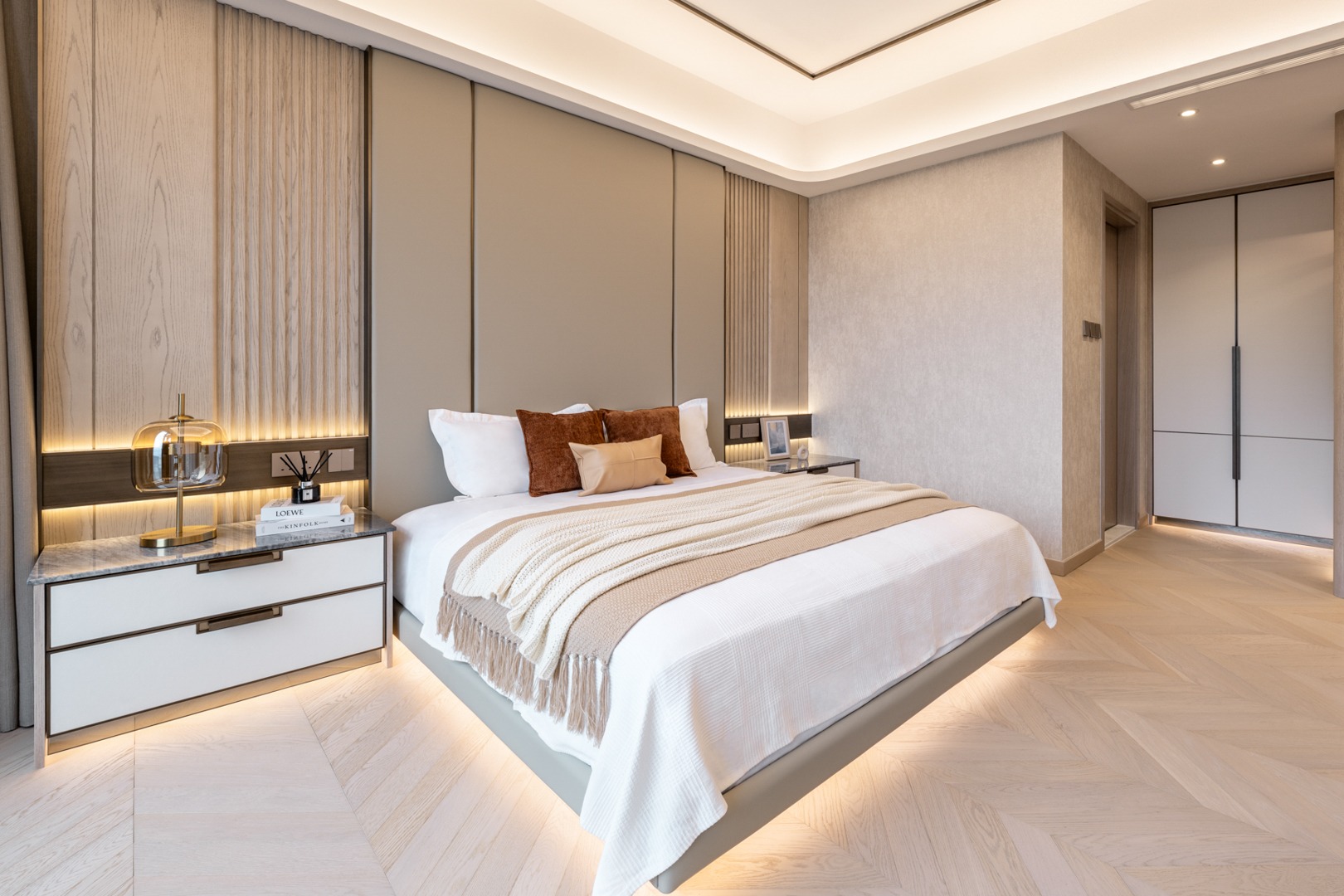
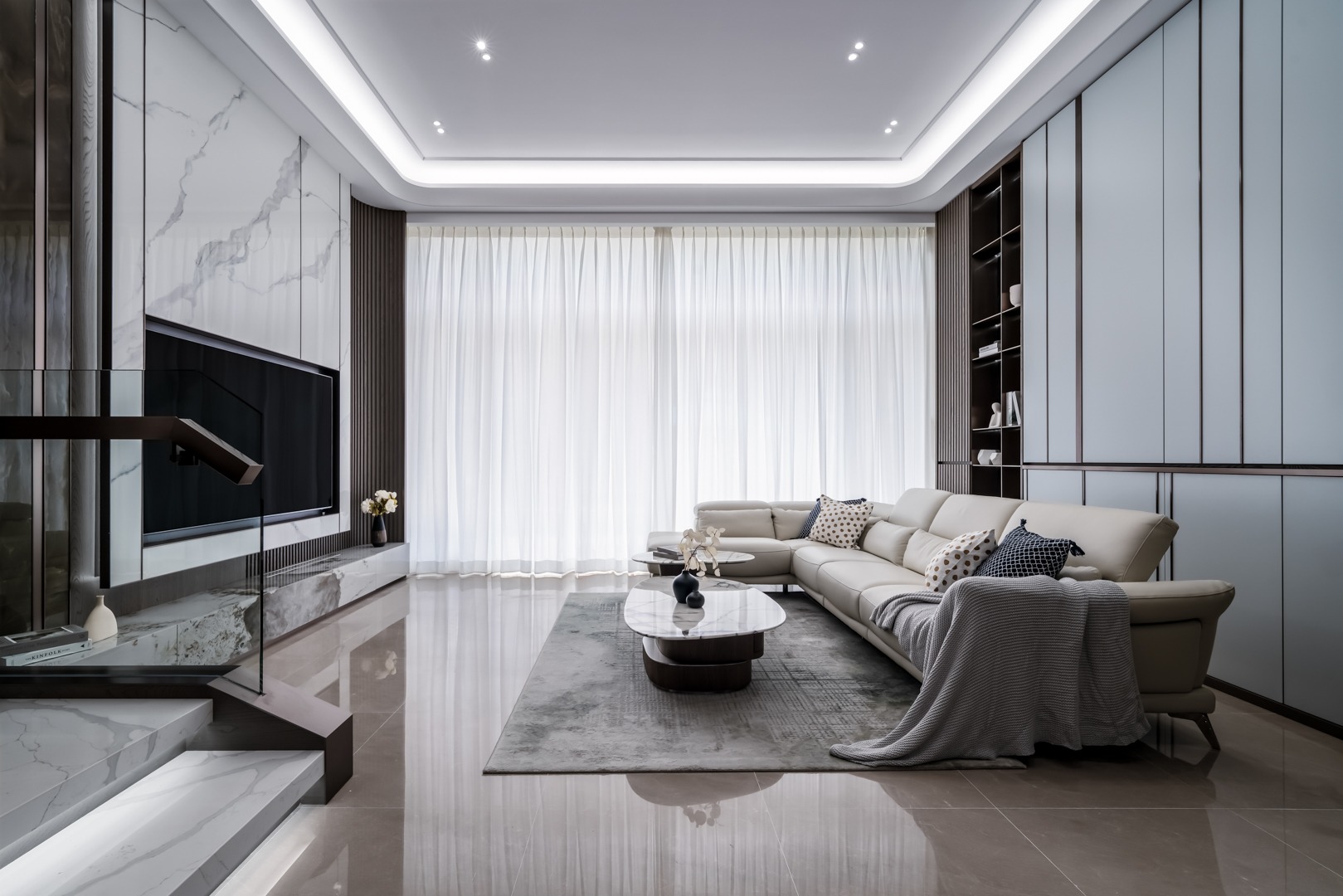
Lighting is one of the most powerful elements in interior design. It not only illuminates a room but also sets the mood, highlights key features, and enhances the overall aesthetic of your space. Good lighting can make a small room look spacious, a dull room feel lively, and create a perfect ambiance for every occasion. Let’s explore why lighting is so important in interior design and how to use it effectively.
1. Lighting Defines the Mood and Ambience 🌟
The type and intensity of light can dramatically change how a space feels. Warm lighting creates a cozy and intimate atmosphere, ideal for bedrooms and living rooms. Cool lighting, on the other hand, brings a bright and energizing feel, perfect for workspaces and kitchens.
2. Highlights Architectural Features & Décor
Lighting can be used to emphasize focal points in your room, such as artwork, wall textures, or a statement piece of furniture. Spotlights and accent lighting draw attention to these elements, making your design details stand out.
3. Enhances Color and Texture
Colors and materials look different under various lighting conditions. A well-lit room will showcase the true beauty of your wall colors, fabrics, and finishes. Poor lighting can make even the most luxurious interiors look flat and uninviting.
4. Functional Lighting for Different Activities
Each space in your home serves a purpose, and lighting should support that function. For example:
- Task Lighting – For focused activities like reading, cooking, or working.
- Ambient Lighting – General illumination that makes the room usable and comfortable.
- Accent Lighting – To create visual interest and highlight décor elements.
5. Creates Illusions of Space
Proper lighting can make small rooms appear larger and more open. Use ceiling lights, wall sconces, and reflective surfaces to maximize brightness and create a sense of spaciousness.
6. Adds Drama and Personality
Statement lighting fixtures like chandeliers, pendant lights, and designer lamps add character to a space. They not only provide light but also serve as decorative pieces that reflect your style.
7. Energy Efficiency & Smart Lighting
Modern lighting solutions, such as LED lights and smart bulbs, offer energy efficiency and flexibility. You can adjust brightness and color temperatures with smart controls, making your home both eco-friendly and adaptable.
Conclusion
Lighting is more than just illumination – it’s a design tool that transforms spaces. By combining ambient, task, and accent lighting strategically, you can create interiors that are functional, beautiful, and mood-enhancing.